


Property maintenance might just be one aspect of property management—but when it’s mismanaged, the consequences can snowball fast. Delays and unresolved issues can frustrate tenants, drive up turnover, and chip away at your bottom line. Using property maintenance software is a surefire way to stay ahead of these issues—and there are a few companies out there that make doing so easier than ever.
Automated Maintenance
Track every maintenance request, schedule repairs, and pay vendors all in one place.
Learn MoreThis post will take a closer look at three companies in particular that are making it easier to up the quality and consistency of rental property maintenance with less staff time. We’ll break down the core capabilities they bring to the table and how to quickly integrate their software into your own maintenance workflows.
What Is Property Maintenance Software?
Property maintenance software is a digital platform that helps property managers track, coordinate, and complete maintenance tasks from request to completion. It replaces manual processes like spreadsheets and sticky notes with automated workflows that connect tenants, managers, and vendors in one system.
The software gives you a clear way to track requests, communicate with all parties, and maintain detailed records of property work history. This keeps your team aligned and prevents tasks from falling through the cracks.
Why Invest in New Property Maintenance Software?
Most property managers are already using some kind of digital tools to manage maintenance tasks, but few are really getting the most value they can be for their tech investment. To do so, you’ll need to look at tools that are built specifically for property management and that can directly address the biggest maintenance pain points that property managers have.
Effective software should make it easier for both managers and tenants to submit and coordinate work orders, fill any gaps in communication, and give your company a record of every project, vendor interaction and work order history for each property.
The best software even goes beyond that, giving you the ability to speed up and automate different phases of maintenance projects, stay compliant with less work, and analyze past jobs to know which properties or vendor relationships are doing well and which are becoming problems.
The companies we’ve highlighted here all have these time and cost saving capabilities, plus a level of customization that makes their products adaptable to different portfolio sizes, property types, and management styles.
Essential Features to Look For
When you start looking at different software options, it’s helpful to know what features make a real difference in your day-to-day work. You don’t need a tool that does everything, but you do need one that does the right things well.
Here are a few key features to keep an eye out for:
- Online Work Order Submission: A simple way for residents to submit requests with photos and details, right from their phone or computer.
- Vendor Management and Dispatch: Tools to assign jobs to your preferred vendors, track their progress, and manage their invoices.
- Automated Communication: The ability to send automatic updates to residents and owners as a work order moves from one stage to the next.
- Mobile Access: A mobile app that lets you and your team manage maintenance tasks from anywhere, not just from behind a desk.
- Reporting and History: Access to a full history of maintenance for each unit, which helps with budgeting and spotting recurring issues.
These features work together to create several key benefits:
- Time savings: Automated workflows can significantly reduce manual coordination effort.
- Better communication: Real-time updates keep all parties informed.
- Cost control: Detailed tracking helps identify spending patterns and vendor performance.
- Tenant satisfaction: Faster response times and transparent processes improve retention.
3 Property Maintenance Software Companies to Watch
Now that you have a better idea of what sets the best software apart, let’s get into more detail about who you should be watching in particular. Here are three property maintenance software companies worth your time:
Property Meld
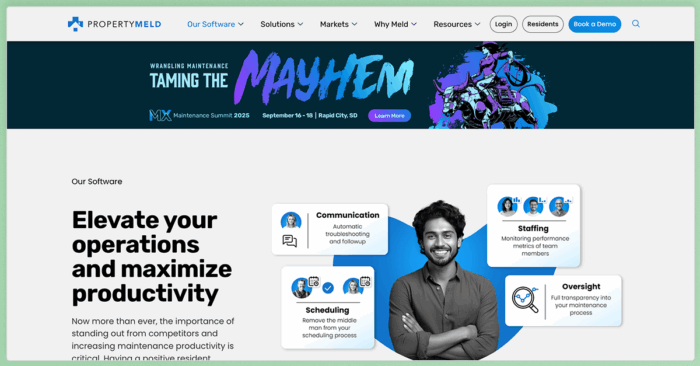
Property Meld® is a dedicated maintenance platform with the main goal of connecting managers, tenants, and vendors in one system, making projects easier to coordinate and faster to complete. The platform consolidates communication, progress updates, and other work order details into dashboards for more control and visibility.
Here are some standout features to be aware of:
- Automated triaging: When a resident first submits a maintenance request, Property Meld will begin the process by offering them action steps to determine if the issue can be self-resolved.
- Work order forwarding: When a request isn’t self-resolved, Property Meld can create a work order and notify staff, who can assign or auto-assign a vendor via workflows.
- Availability-based scheduling: Property Meld asks tenants and vendors to input their availability into the platform’s scheduling system, making it easy to find a time to complete the work order that works for everyone involved.
- Job detail sharing: The tenant will be prompted to share details about their work order, including photos and videos.
- Multi-channel communication: All parties involved with the work order will be added to the system’s communication channels, ensuring that everyone has the ability to ask questions and get on the same page.
- Data-driven insights: While Property Meld’s one-of-a-kind workflow can help resolve the vast majority of work orders, the system also offers data-driven insights to help guide larger troubleshooting efforts and decision-making processes.
The bottom line: Property Meld’s platform can help boost tenant satisfaction while also speeding up repair timelines, leading to lower maintenance costs overall.
LeadSimple
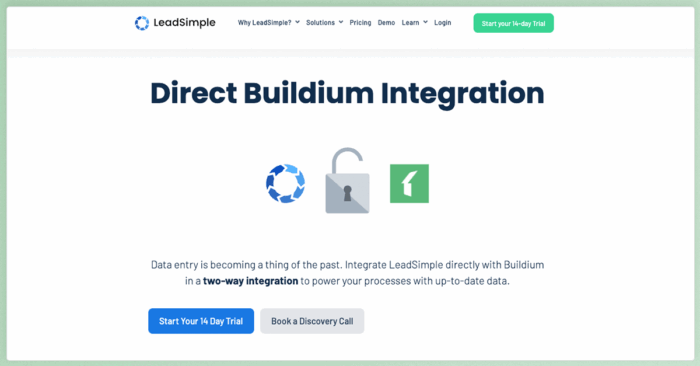
While LeadSimple is best known for its customer relationship management (CRM) capabilities, this software also has numerous features that can directly support running more efficient maintenance operations—especially when combined with broader property management software. Here are some of the most notable features that can be used in tandem with your existing property management software to save you time and effort.
- Workflow and process creation: Rather than settling for a simple work order checklist, LeadSimple gives you the option to choose from an existing work order process template or customize the template to create your own workflow. In either case, once a process has been created, it can easily be updated to scale with you as you grow,
- Automated communication: You can keep your owners and tenants in the loop with automated email and text communications. Pair automation with other features, including done-for-you templates and relative due dates, to make sure your messages get delivered at exactly the right time. Plus, meticulous records are kept for you in the platform’s process record.
- Data integration: LeadSimple syncs with many of the top property management software platforms and can draw data stored in those platforms to power the software’s conditional logic—which lets you to start processes automatically while keeping your outbound email and text records up to date.
The bottom line: Using LeadSimple’s tools can help you reduce churn rates and increase tenant satisfaction, ultimately boosts renewal rates and setting your business up for stable growth.
Buildium
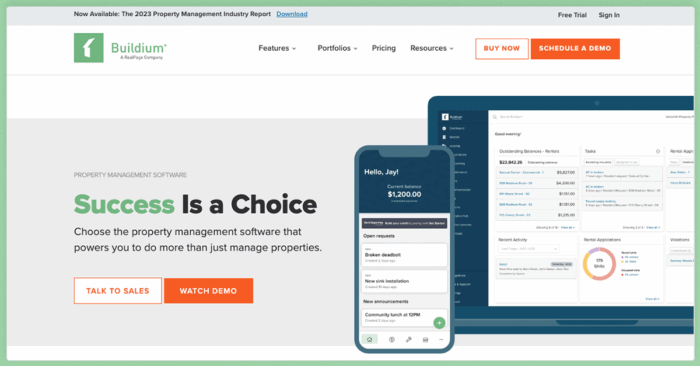
Managing maintenance at scale takes a system built for speed, accuracy, and coordination. That’s where Buildium comes in. As a comprehensive property management platform, it includes a dedicated set of tools for handling maintenance from intake to resolution—alongside a complete roster of other features for property accounting, rent collection, leasing, and more. Here’s what you can expect on the maintenance side:
- Work order submission: Tenants can submit work orders quickly through Buildium, attaching videos, images, and documents to share as much information as possible. They can even use the dedicated tenant mobile app to make submitting requests as effortless as possible.
- Real-time status updates: As work orders move through Buildium’s workflow, all parties involved will have the option to receive real-time status update notifications to their phone, tablet, or computer. Property managers can automate responses and updates and use both the Resident Center (accessible by tenants through their mobile app) and Owner Portal to keep everyone in the loop.
- Project level management: For more control over your workflows, Buildium lets you organize tasks (and their resulting work orders) under a single project, such as a unit turnover, renovation, or repair, and gain a high-level overview of progress on your key maintenance initiatives. With the right setup you can even track project budgets against actual expenses.
- On-call contact center: By answering calls for you 24/7, the Maintenance Contact Center makes missed maintenance calls a thing of the past. Operators can also log tasks for you in Buildium and dispatch your preferred vendors during emergencies so you never miss a beat.
- Data tracking: In the backend of Buildium, you can use its data-tracking capabilities to keep an eye on how efficiently different vendors perform and track past projects for a specific property. The platform’s data analytics capabilities draw from this data plus accounting and payment histories to help you decide where to channel your resources and how to plan for growth.
The bottom line: Using Buildium’s software platform can help you streamline your day-to-day business processes for both maintenance and all your other responsibilities, allowing you to refocus your time and energy where it’s needed most.
Comparison Chart
| Platform | Best For | Key Strength | Integration |
|---|---|---|---|
| Property Meld | Dedicated maintenance focus | Automated triaging and scheduling | Buildium Marketplace |
| LeadSimple | Process automation | Custom workflow creation | Multiple PM platforms |
| Buildium | All-in-one solution | Complete property management | Built-in + marketplace |
Cost Considerations and ROI
Most property management/maintenance platforms use per-unit monthly pricing with monthly minimums; total spend scales with portfolio size and add-ons.
The ROI comes from time savings and cost prevention. Your team spends less time on manual tracking and vendor coordination, which can translate to monthly savings in labor costs. You save money through better tenant retention and catching small issues before they become expensive repairs.
Steps to Implement Maintenance Software Into Your Workflows
Implementing one or a combination of these platforms is a smart move—and with the right approach, it’s easy to get a better maintenance management system up and running. All it takes is a little planning and organization. Consider following these three steps to start the process:
- Document your existing workflow processes: If you don’t have one in place already, start by creating a written checklist of all the steps you follow during your existing property maintenance workflows, including the processes for work orders and unit turnovers, as well as larger projects. Taking the time to complete this step will help you have a better idea of the functionality you’ll need from a maintenance software program.
- Research your software options: While the list above should be more than enough to help you get started, spend some time researching different property maintenance software options to get a sense of what will best suit your needs. Take the time to ask questions and see if the companies on your shortlist offer the opportunity to try out their software, like a free trial or live demonstration.
- Build your tech-enabled workflows: Once you’ve made your selection, it’s time to transfer your workflows into your property maintenance software platform. Typically, you might face a learning curve on how to use the system. However, our latest guide on tech-enabled maintenance workflows will walk you through the step-by-step process of how to create maintenance workflows in Buildium.
Choosing the Property Maintenance Software that’s Right for You
To take the next step, we recommend doing a bit more research into the companies covered above to choose which is right for you. However, you don’t have to stick to just one platform. Buildium lets you integrate both Property Meld and LeadSimple with its own software seamlessly. Both platforms—along with many others—are available on the Buildium Marketplace, a collection of purpose-built partner solutions that work in tandem with Buildium’s own features.
Key Takeaways:
- Maintenance software automates workflows and connects tenants, managers, and vendors.
- Property Meld specializes in automated triaging and availability-based scheduling.
- LeadSimple excels at custom workflow automation that scales with portfolios.
- Buildium provides all-in-one management with built-in maintenance and support.
If you’re ready to see what Buildium can do for you, check out our risk-free, 14-day trial (no credit card needed) or book a live demo today.
Frequently Asked Questions About Property Maintenance Software
What is the best maintenance software for small property managers?
For smaller portfolios, choose user-friendly, affordable software that offers core maintenance features without unnecessary complexity.
How much does property maintenance software typically cost?
Expect $5-50 per unit per month, with costs varying by features and portfolio size.
Can maintenance software integrate with existing property management systems?
Yes, most maintenance software integrates with property management platforms through APIs or built-in marketplace connections.
Is there free property maintenance software available?
Free versions exist but have limited features and unit capacity – most growing businesses need paid plans.
Read more on Maintenance