
Vacancy days are more than just lost rent. They represent lost time, marketing dollars, and a lot of administrative work for your team. This is where property management software can make a real difference, not by replacing your work, but by making each step in the leasing process faster and more connected.
In this post, we’ll break down exactly how software helps at each stage of the leasing cycle. We’ll cover everything from getting your listing on multiple sites with one click to having a lease signed on the same day. You’ll see how these connected steps can shorten your vacancy period and what metrics you can share with owners to show them the results.
What Vacancy Days Really Cost
Every day a unit sits empty, you lose rental income. You can calculate the direct cost by multiplying the daily rent by the number of days the unit is vacant, but that’s only part of the picture. You also have turnover expenses for cleaning and repairs, plus marketing costs to find a new tenant.
These hard costs add up, but there are also soft costs to consider. Your team spends time posting listings, answering calls, and processing paperwork. While they focus on filling one vacancy, other responsibilities can fall behind, creating a ripple effect across your portfolio.
Property management software is a term for cloud-based platforms that help automate rental operations. These platforms can assist with the repetitive tasks that consume your day, such as posting rental listings, collecting applications, and getting documents signed. Instead of manually handling each step, you can use a centralized system to manage the entire leasing process.
Automated features can make a noticeable difference in your leasing timeline.
- Listing distribution: Listing syndication lets you publish a rental to multiple sites in just a few clicks, eliminating the need to post on each site manually.
- Application processing: Online applications with status visibility and integrated screening can be processed significantly faster than paper-based workflows.
- Background checks: Manual reference calls and credit checks may take a few days, but automated tenant screening reports can often be returned the same day.
- Lease execution: Printing, mailing, and collecting signatures can take a week or more, while digital signing can be completed within hours.
Understanding these differences shows how a more connected process can help you fill vacancies faster. Now, let’s look at how each of these steps works in practice.
How Property Management Software Cuts Time at Every Step
Knowing what vacancy costs is one thing; doing something about it is another. Property management software can help shorten the leasing process by connecting each step, from the moment a unit is listed to the day a new lease is signed.
One-Click Syndication and Lead Capture
Listing syndication is the process of posting your rental listing to multiple websites at once from a single entry point. Instead of logging into Zillow, then Apartments.com, and other rental sites, you create the listing one time and distribute it everywhere.
When prospective tenants see your listing and inquire, prospect activity from listings and showings is tracked within Buildium. This creates a centralized place to manage all your leads, rather than having them scattered across different email inboxes. You can see which rental listings are performing well and respond to prospects without switching between different websites.
Self-Scheduling That Fills Calendars
Coordinating showings often involves a lot of back-and-forth communication. You trade calls and emails with a prospect, trying to find a time that works for both of you. By the time you land on a date, they may have already found another place.
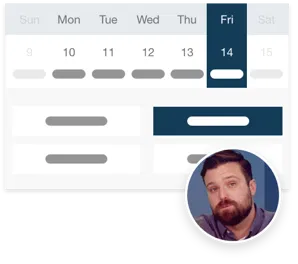
Self-scheduling lets prospects book their own showing appointments through an online calendar. You define your available hours, and they select an open time slot that fits their schedule. The appointment is confirmed, and reminders are sent without you needing to make a single phone call. For example, Buildium’s Showings Coordinator, powered by Tenant Turner, lets you pre-qualify prospects based on your criteria before they can even book a showing.
Online Applications With Instant Screening
Tenant screening helps you evaluate a rental application by reviewing an applicant’s financial and rental history. The conventional way of doing this involves calling previous property owners, verifying employment, and waiting for credit bureaus to send reports.
With property management software, you can automate parts of the tenant screening process. Applicants submit their information online and authorize the background check. The screening system delivers the reports to your dashboard, often on the same day. You get a consistent view of each applicant’s information, helping you make a decision more quickly, and since laws vary by state and locality, it’s important to consult with a qualified legal professional.
eSignature and Same-Day Signing
An eSignature, or electronic signature, is a legally valid way to get consent on online documents. For rental lease agreements, eSignatures are recognized as legally binding in all 50 states.
Using eSignatures for your lease agreement can shorten the final step of the leasing process. You send the lease electronically, and tenants can sign it from their phone or computer. The system stores the executed lease agreement securely for both you and the tenant to access. What might have taken a week of mailing documents back and forth can now be done in a matter of hours.
| Leasing Step | Manual Process | With Software |
|---|---|---|
| Time-to-list | 2-3 days | With listing syndication, postings typically appear on major sites within hours to about a day |
| Time-to-first showing | 3-5 days | Automation and self-scheduling can shorten time-to-first showing substantially, often enabling prospects to book the next available slot |
| Time-to-application | 3-7 days | Because applications are integrated with listings and flow into Buildium automatically, you can begin receiving applications as soon as the listing is live |
| Time-to-approval | 2-5 days | Integrated screening typically returns results within 24 hours (often faster), allowing many approvals to be completed the same day |
| Time-to-sign | 3-7 days | With eSignature, lease execution is often completed the same day (sometimes within minutes) |
With these individual steps in place, you can start to connect them into a faster, more cohesive leasing workflow, and since laws vary by state and locality, it’s important to consult with a qualified legal professional.
A Focused Rollout of Core Features
Now that you see how each piece works, you can put them together. A focused rollout of core leasing features can shorten vacancy times, but exact results vary by market and portfolio.
Days 1–2 Turn on Listing Syndication and Lead Capture
Begin with listing syndication, as it has the most immediate effect on your marketing reach. The property manager usually handles the initial setup.
- Connect your account to your preferred rental listing sites.
- Create reusable listing descriptions for your common unit types.
- Decide where you want new leads to be routed.
Days 3–5 Enable Self-Scheduling and Routing
Next, set up automated showing coordination. This is typically managed by the leasing team.
- Sync your work calendars to block off unavailable times.
- Define your showing hours for each property.
- Assign team members to handle showings for certain properties or days.
Days 6–10 Launch Online Apps and Screening
With your marketing and showings automated, it’s time to work on the rental application process. The property manager should oversee this step to check for compliance.
- Customize your online rental application with property-specific questions.
- Define your tenant screening criteria, such as income requirements.
- Set up payment processing for applications.
Keep in mind that laws vary by state and locality, so it’s important to consult with a qualified legal professional.
Days 11–14 Lease Templates and eSignature
The final step is to digitize your lease execution.
- Upload your state-specific lease agreement templates.
- Set the signing order for tenants and co-signers.
- Configure reminders for unsigned documents.
After this focused implementation period, you’ll have a connected leasing process that moves prospects from initial interest to a signed lease agreement much more quickly, and since laws vary by state and locality, it’s important to consult with a qualified legal professional.
Before-and-After Leasing Workflows
Seeing the old and new processes side-by-side makes the difference clear. A manual leasing workflow is full of starts and stops, with delays at every handoff.
Think about the old way: You take photos, write a listing, and then post it on one site. Then another. Then another. Inquiries come in through calls and emails, and you spend your day playing phone tag. You finally schedule a showing, hand the prospect a paper application, and wait. When they return it, you start calling references. A few days later, you get the credit report. Once approved, you print and mail the lease. More waiting.
An automated workflow connects these steps. You create one rental listing and syndicate it everywhere. Prospects schedule their own showings and apply online. Tenant screening reports arrive the same day. Approved applicants get a digital lease agreement and sign it from their phone. The process keeps moving forward without the constant need for manual intervention.
- Manual workflow: Create listing → Post to each site → Field inquiries → Schedule showing → Give tour → Hand out paper application → Wait for return → Call references → Order credit report → Wait for results → Make decision → Print lease → Mail to tenant → Wait for signature → Sign and return copy
- Automated workflow: Create and syndicate listing → Prospect self-schedules → Give tour → Tenant submits online application → Run instant screening → Approve applicant → Send digital lease → Tenant signs electronically
Many Buildium customers have shared how automating these handoffs has helped them shorten their vacancy periods. When the process flows without interruption, you can get a new tenant moved in much faster. This not only improves rental income but also gives you a story to tell your property owners.
Benchmarks and KPIs Owners Care About
Your property owners want to see that you are working to protect their investment. Tracking key performance indicators (KPIs) helps you demonstrate your effectiveness and show the value you bring.
Here are a few key metrics to focus on for vacancy management:
- Days vacant per unit: The average time a unit is empty, from the previous tenant’s move-out to the new tenant’s move-in.
- Show-to-application rate: The percentage of showings that lead to a submitted rental application. This shows how well your property and pricing appeal to prospects.
- Application-to-approval rate: The percentage of applications that meet your screening criteria. A high rate suggests you’re attracting qualified applicants.
You can use these numbers to create a simple weekly update for owners. Include the current vacancy status, the number of active leads, and any new leases signed. Buildium’s Analytics & Insights dashboard can track these metrics for you, making it simple to pull real-time data for your reports. Having these benchmarks ready helps you have more productive conversations with owners.
Quick Setup Checklist in Buildium
If you’re a Buildium user, you can activate these vacancy-reducing features right now. Here’s a quick checklist to get you started.
- Rental listing syndication: From Buildium’s Listings tools, you can syndicate vacancies to partners including Zillow’s network and Apartments.com.
- Showings Coordinator: Head to the Buildium Marketplace and activate the Tenant Turner integration. Connect your calendar and set your showing availability.
- Online rental applications: Customize your template in Buildium and enable the integrated screening option to streamline applicant review.
- eSignature: Buildium’s eSignature powered by Dropbox Sign lets you upload lease templates and place signature fields.
- Vacancy reporting: Use Analytics & Insights to visualize and report key leasing KPIs in real time.
With these features active, you’ll have a powerful set of tools to help you fill your vacant units.
Win the Next Owner With a Faster Lease-Up
Property management software gives you the tools to shorten your leasing cycle. By connecting every step from listing to lease signing, you can reduce the time your units sit empty and show property owners you have an effective process.
Here’s what you can accomplish:
- Automated syndication helps your listings reach more prospects, filling your pipeline from day one.
- Self-scheduling and online applications remove the communication delays that slow down the leasing process.
- Integrated screening often returns results within 24 hours (sometimes minutes) and eSignature enables rapid execution, making same-day approval and signing possible in many scenarios.
- Performance tracking with clear metrics helps you demonstrate your value to current and prospective owners.
Ready to put these systems to work for your business? You can schedule a guided demo or sign up for a 14-day free trial to see how Buildium can help.
Frequently Asked Questions About Cutting Vacancy With Property Management Software
How Fast Can I See Fewer Vacant Days Once I Turn on Property Management Software?
You can see an immediate increase in listing exposure as soon as you turn on syndication. Broader improvements in your vacancy metrics often appear within the first full rental cycle as you begin to fill units with the new, faster process.
Which Features Matter Most for Reducing Vacancy if I Manage Under 100 Units?
For smaller portfolios, rental listing syndication and online applications usually offer the most impact. These two features alone can help you reach more prospects and process their applications more quickly.
Do I Need Both Listing Syndication and Self-Scheduling Software to Reduce Vacancy Time?
While each feature is helpful on its own, they work very well together. Syndication generates more leads, and self-scheduling helps you convert those leads into showings without the back-and-forth communication.
What Vacancy Benchmarks Should Property Managers Share With Owners?
Focus on the metrics that directly relate to an owner’s bottom line. These usually include days vacant per unit, the show-to-application rate, and the total time from listing to a signed lease.
Can Property Management Software Help During Slow Rental Seasons?
Yes, an automated process can help you stay efficient even when rental demand is low. Your listings remain active on all major sites, and you can process every lead just as quickly, helping you capture every opportunity in a slower market.
Read more on AI and Automation