

You have a resident portal, but getting residents to use it can feel like an uphill battle. Instead of saving your team time, you might find you’re still fielding the same calls about maintenance or rent payments. The good news is that research shows a majority of renters find a resident portal important—the problem isn’t the tool, it’s the adoption strategy.
Start your 14-day Free Trial Today!
It takes just 30 seconds. No credit card required. Use sample data to see how Buildium handles your real-world tasks.
This article gives you a clear, research-backed plan to change that. The strategies come directly from Buildium’s 2025 Renters Report and insights from Robin Young, Senior Researcher at Buildium, who has analyzed what renters actually want from their property management experience.
We’ll cover:
- What a resident portal does and why adoption often stalls
- Communication strategies that match how residents already interact with you
- How to position maintenance and payment features as resident wins
- Mobile experience factors that determine whether residents keep using the portal
By the end, you will have practical strategies to increase adoption, reduce your administrative workload, and give residents the self-service experience they expect.
What Is a Resident Portal
Before diving into adoption strategies, it helps to answer the foundational question: What exactly is a resident portal?
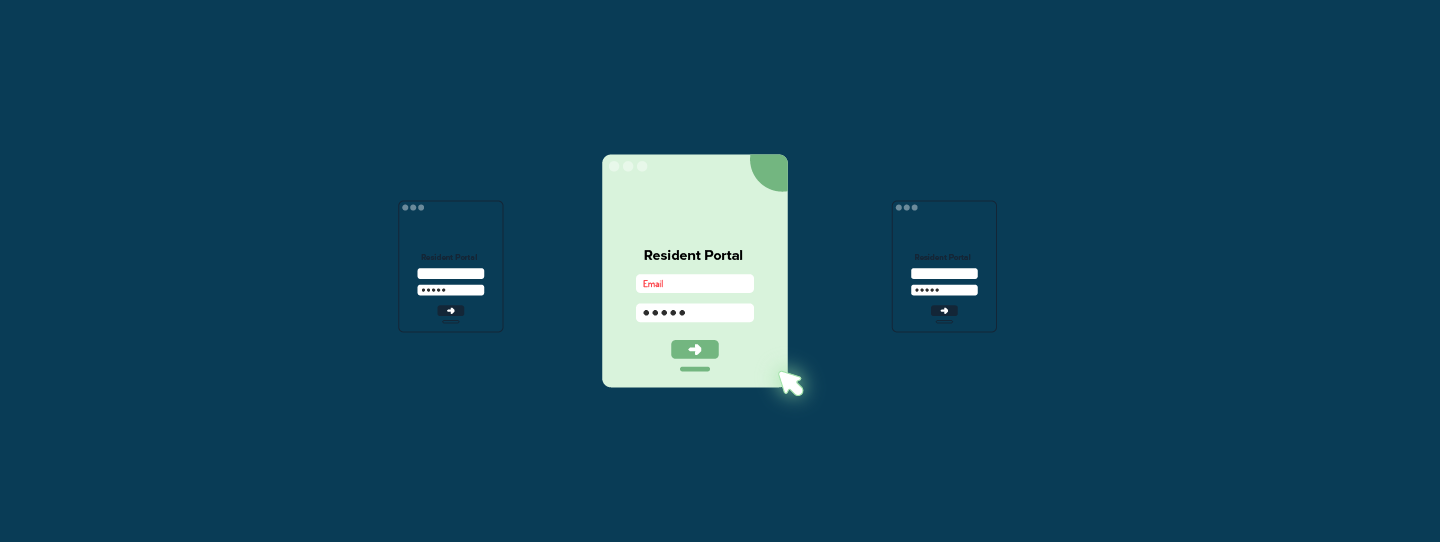
A resident portal is a self-service online hub where residents can pay rent, submit maintenance requests, view documents, and receive updates from property management. You might also hear it called a tenant portal. Buildium’s version is called Resident Center. It’s your front desk, open 24/7, and accessible from a resident’s phone or computer.
No matter what you call it, a resident portal typically includes a few core functions:
- Online rent payments: Residents pay via bank account or card without mailing checks
- Maintenance requests: Submit repair needs with photos and track status
- Document access: View lease agreements, community announcements, and payment history
- Communication hub: Receive text and email updates from property management
Renters’ Attitudes Toward Online Resident Portals
Buildium’s renter research reveals that most residents already expect digital self-service options.
“Our research shows that most renters already put a high value on having access to a resident portal, so the question becomes more about how you remove barriers to adoption,” says Young.
The data backs this up. When asked how much they value a resident portal or app, 66 percent of respondents said it was at least somewhat important to them.
Because of this, property managers should move away from convincing them a portal is a good idea and focus on removing the friction that stops them from logging in and making it a habit.
You don’t always need giveaways or elaborate incentive programs to do this. Adoption usually stalls when the portal isn’t the fastest or clearest option for a resident. Common hurdles include onboarding friction, old habits, and competing communication channels. The key is making the resident portal the most obvious and helpful choice.
With that in mind, here are five strategies to boost resident portal adoption.
Strategy 1: Start With Your Residents’ Current Communication Preferences
Adoption starts by meeting residents where they already are, not forcing them onto a new channel. Letting your residents know how to use a new portal isn’t enough. You have to connect it to the communication methods they already use every day.
“You’ve got to do more than just telling tenants to use your portal,” says Young. “Renters have different communication preferences. A lot of them prefer text, email, or phone communication.”
Buildium’s Renters Report shows that residents prefer text (59.3% of respondents) and email (52.4%) for contact far more than an online portal. This means your portal may be competing with habits residents have had for years. The most successful adoption plans use text and email to guide residents into the portal, not just expect them to show up on their own.
If you recognize and support these preferences through things like text notifications or links that drive tenants to your portal directly, you’ll likely see higher adoption. As Young puts it, “to get renters to switch to a portal, the first step is meeting them where they are, through a channel they’re already used to.”
Here are a few steps you can take to shift habits:
Understand Why Residents Miss Resident Portal Messages
You send a portal invitation. The resident misses it. What happened?
Often, portal invitations get lost in a crowded inbox or are sent through a channel the resident doesn’t regularly check. A single email with login credentials rarely grabs their attention. They might see it, plan to handle it later, and then forget. An email-only rollout assumes residents are as focused on property communications as you are, which often isn’t the case.
Create a Rollout Plan for Text, Email, and Move In Packets
A better approach involves multiple touchpoints. Instead of relying on one channel, try a sequence that reinforces the message.
Consider sending a text message with a direct link to the resident portal login page. Follow that with an email containing step-by-step instructions. For new residents, include a printed instruction sheet in their move-in packet as a physical reminder. Consistency is important here, and automating predictable tasks, such as outreach and resident reminders, can help you schedule these touchpoints for every resident, every time.
Focus on a Few Important Actions Residents Can Use the Portal For
To make the portal stick, focus new residents on two high-value actions right away. Guide them to set up online rent payments and submit their first maintenance request through the portal.
These two actions deliver immediate value and help build a habit. Once a resident sees how easy it is to pay rent or track a repair online, the portal becomes a useful tool in their daily life, not just another app to download. This positive first impression makes them more likely to explore other features.
Our next two sections cover these important portal capabilities in greater depth.
Strategy 2: Emphasize Speed and Visibility for Work Order Requests
After getting residents logged in, you can keep them coming back by focusing on maintenance support. Getting repairs handled quickly and knowing the status of a work order are top priorities for any resident, making the maintenance workflow a powerful driver for portal adoption.
“The feature that renters are asking for the most from online portals is the ability to submit and track maintenance requests,” says Young. “Buildium’s research shows it is a top priority for renters. If you present your portal as an easy way to request and get repairs completed quickly, you’ll likely see greater engagement from both your existing and potential tenants.”
Buildium’s research shows renters want more technology in the process of submitting maintenance requests, versus a small minority who prefer less.
When you position your resident portal as the fastest and most transparent way to get things fixed, it gives them a compelling reason to use it. Here are some specific areas you can focus on where the benefits of using a portal stand out:
Confirmation Once Maintenance Requests Are Submitted
Submitting a maintenance request is only the first step. After they hit “send,” residents want to know their request was received. They want a general timeline for the repair. And they want to see status updates as the work progresses.
If your resident portal doesn’t give them this visibility, they will pick up the phone and call your office. Every call asking, “Did you get my request?” is a sign that a resident doesn’t yet trust the portal to keep them informed.
Continual Status Updates That Cut Follow Up Calls
When a resident can see in real time that their request was received, assigned to a vendor, and scheduled, they feel heard. That visibility reduces their need to call for updates, which frees up your team’s time.
For example, Buildium’s maintenance request management tools allow residents to submit requests with photos. You can then assign them to vendors or staff, and everyone involved can see the status updates in one place. This creates a clear maintenance workflow, reduces follow-up calls, and builds trust in the portal.
Photos and Categories That Reduce Back and Forth
A resident portal that lets residents upload photos and select categories for their maintenance issue helps your team respond faster. A picture of a leaking pipe tells a much clearer story than a brief text description. A category selection helps route the open request to the right person from the start.
When residents see that their detailed requests lead to quicker resolutions, their confidence in the resident portal grows. That positive resident experience encourages them to use the portal for all future maintenance submissions.
Strategy 3: Focus on the Benefits of Paying Rent Through a Resident Portal
Just as maintenance visibility keeps residents engaged, so does a simple and secure way to handle rent payments. The key is to frame online rent payment as a benefit for the resident.
“The majority of renters we surveyed want to be able to make their payments online,” says Young. “By positioning your portal as a way to remove friction and the stress that comes with having to remember to make payments each month, you’re helping to solve a major source of anxiety for renters.”
Buildium’s research shows that 80% of renters prefer digital payment methods when given a choice, and many specifically want the ability to make rent payments online.
You can meet this demand by highlighting how a resident portal makes their life easier with features such as autopay, rent reminders, and a variety of payment methods.
Consistency is important here. As one survey respondent stressed, “decide on an app to use payments and stick with it.”
Safety and Fee Objections You Will Hear
When you introduce online payments, some residents may have questions about security. They might ask you, “Is my information safe?” or “Will I be charged extra?”
It helps to have clear answers ready. Reputable property management platforms use encryption and secure cloud storage to protect financial information. Buildium’s security protocols, for example, are in place to keep resident information protected. ACH fees are generally lower than card fees and managers can choose to absorb or pass through transaction costs to residents, which addresses the fee concern directly.
Receipts, Payment History, and Balance Visibility
A resident portal offers a level of transparency that paper checks can’t match. Residents get an instant payment receipt and can view their full payment history and current balance due at any time.
This digital paper trail reduces confusion and disputes. When a resident can log in and see exactly what they’ve paid and when, it builds trust in the payment platform and your management.
Recurring Payments That Build the Habit
Perhaps the most compelling feature for portal adoption is autopay. Once a resident sets up a recurring payment, the habit of using the portal is formed.
They may log in to confirm a payment went through or check their balance. While they are there, they are more likely to notice other features, such as community announcements or the maintenance icon. Encouraging residents to set up recurring payments during onboarding is a straightforward way to make the resident portal a regular part of their rental experience.
Strategy 4: Reward On Time Payments and Resident Portal Use at the Same Time
Once you’ve established the convenience of online payments and maintenance, you can add another layer to your adoption strategy: incentives. Offering rewards for on-time payments made through the resident portal can motivate even hesitant residents to log in and engage.
“Beyond simplifying the renting experience, you can boost portal adoption—especially for online payments—by introducing incentives like rewards and rent reporting,” says Young. “Many renters expressed interest in direct rewards—like cash, a gift card, or prizes—for online payments or the chance to build their credit with rent reporting.”
Rewards That Reinforce Portal Habits
You don’t need a large budget to create an effective incentive program. Small rewards for on-time payments or regular portal engagement can shift resident behavior.
Consider offering a modest gift card, an entry into a quarterly prize drawing, or points that can be redeemed for a small rent credit. The goal is to create a positive association with using the resident portal. When residents log in to claim a reward, they are more likely to use other portal features.
Rent Reporting and Payment Reward Programs
For many residents, the ability to build credit is a powerful incentive. Rent reporting services that track on-time payments and report them to credit bureaus offer a real financial benefit.
Services such as Gravy offer renter rewards that incentivize on-time payments. When this benefit is tied to paying through the resident portal, it gives residents a strong, practical reason to adopt the payment platform.
Offering either type of perk through your portal that tracks good renting habits is an easy way to get more residents on board. It could even encourage some holdouts to start using your portal. You can position both of these as portal-exclusive benefits, giving residents a tangible reason to make it their go-to for rent payments.
A Small Pilot Plan You Can Measure
If you’re not sure about rolling out an incentive program to your entire portfolio, start small. Test the program on a single property or with a specific segment of residents.
Track adoption rates before and after you introduce the incentives. Look at metrics such as online payment penetration and maintenance submission rates using your property management software’s analytics tracking tools.
Strategy 5: Make Sure Your Resident Portal Works Well on Mobile
With your communication and incentive strategies in place, the final piece of the puzzle is the user experience itself. Most residents will access your portal from their phones, so a clunky mobile experience can undo all your hard work. If it’s not easy to use on a small screen, they’re more likely to abandon it.
“It’s all about how easy it is for renters to use your portal in everyday life,” says Young. “Nearly 54% of the renters we spoke to want the option to pay rent on their phone, and 60% prefer to use their phones to communicate with their property manager or landlord. That’s why it’s important to make sure your portal is mobile friendly.”
To drive adoption, your resident portal needs to be mobile-first and designed for quick actions. You can support this with QR codes in move-in materials that link to the app, “tap to pay” links in text reminders, and push notifications for important updates.
Push Notifications Residents Actually Want
Not all push notifications are created equal. Some are helpful, while others are just noise.
Residents generally appreciate notifications for payment confirmations, maintenance status updates, and urgent community announcements. They are less receptive to marketing messages or redundant reminders. The key is to give residents control over their notification preferences. Those who can customize what they receive are more likely to keep notifications enabled. For example, the Buildium Resident Center app is highly rated because it focuses on the core actions residents need; managers can also customize the portal’s branding and which pages are available.
Choose a Resident Portal That Makes Adoption a No Brainer
Getting residents to use your portal consistently comes down to a few key things. It depends on how you introduce it, the immediate value they see, and whether the experience fits their existing habits.
These strategies all point toward a more thoughtful approach to portal adoption:
- Meet residents through their preferred communication channels with a multi-touch rollout plan that uses text, email, and print
- Lead with maintenance visibility and online payments as the two features that deliver immediate value
- Use incentives such as rent reporting to reinforce portal habits over time
- Test mobile experience yourself to catch friction before residents do
Buildium’s Resident Center brings payments, maintenance, and communication into one mobile-friendly resident hub. To see how these operational systems can work together for your properties, you can schedule a guided demo of the platform or start your free trial to test the experience yourself.
Frequently Asked Questions About Resident Portal Adoption
What is the difference between a resident portal and a tenant portal?
These terms are often used interchangeably. “Resident portal” is more common in community associations, while “tenant portal” typically appears in rental contexts.
How do you get residents to pay rent online without pushback?
Address common objections about safety and fees directly, then emphasize convenience benefits such as payment history, instant receipts, and autopay.
What if some residents do not have a bank account or credit card?
Some property management platforms integrate with services such as PayNearMe that allow cash payments at retail locations, which are then recorded in your system.
How do you measure resident portal adoption?
Track online payment penetration, maintenance request submission rates through the portal, and reduction in routine phone calls to your office as key metrics.
Are resident portals secure for online rent payments?
Reputable property management platforms use encryption and secure cloud storage to protect financial information, often making online payments safer than mailing paper checks. Read more on Leasing