
Managing property maintenance effectively takes more than just having a list of vendors at the ready. It means knowing exactly who to assign to a project to get the best price for the fastest, highest-quality work, especially since managers can face institutional pressure to meet budget deadlines—one study found 44% of public procurement managers admitted that purchases are sometimes made at high prices as a result.
Start your free trial today!
Try Buildium for free for 14 days. No credit card needed.
Start Your TrialHaving the right vendor for the job means faster repairs, cost-effective service, happier tenants, and a boost to your company’s reputation. On the other hand, putting the wrong vendor on a project, or even engaging in the wrong types of vendor relationships, can damage your business permanently.
We’ve put together this guide to help property and community managers manage, audit, and renegotiate vendor relationships to get the most value out of maintenance and repair services.
Keep reading to learn the strategies and tools you can use to cut costs without compromising on service quality or wasting time on inefficient vendor management.
Why Property Management Vendor Management Matters
Property management vendor management matters because it directly impacts your response times, costs, and tenant satisfaction. A strong vendor network lets you handle maintenance requests faster and more affordably than scrambling for contractors each time.
When you have reliable plumbers, electricians, and landscapers on call, you protect property values while keeping residents happy. This isn’t just about having contacts—it’s about building a system for consistent, quality work.
By building a clear process for how you find, hire, and track vendors, you save your team time, reduce operational costs, and build a reputation for reliability. This section will show you why putting a system in place is one of the best things you can do for your business.
How to Manage Your Existing Property Management Vendor Network
Once you’ve built up a network of reliable vendors, you’ll need a way to manage them effectively and track their performance. Here are some suggestions.
Create Detailed Vendor Profiles
When you’re dealing with multiple vendors on a regular basis, it’s important to stay organized. It’s a good idea to invest in software that allows you to keep all of your vendor proposals and contracts in one place. In a perfect world, the same system will also coordinate with your accounting software to facilitate a seamless payment process.
Steps to take:
- Invest in the right property management software: Choose a software that allows you to create separate profiles for each vendor you hire. This capability lets you sort your records, invoices, and communication associated with each vendor and stay on top of payments.
- Upload all of your existing documentation: While it may feel like a challenge to digitize your existing vendor records, doing so will help streamline the vendor management process going forward. Effective property management software should allow you to upload and organize documentation for different vendors easily.
- Update your records regularly: Make sure you update the system every time you hire a vendor, bring them back for a job, or let one go. Keeping your records up to date can help avoid confusion and clarify misunderstandings.
Tools to help:
- Property management software: Using a property management software that comes with built-in vendor profiles, such as Buildium, can help you organize all of your vendor records and automate your payment workflow.
Keep a Record of Work Orders
With vendor profiles ready, apply the same organization to individual work orders. Track each request from start to finish to maintain clear communication with all parties.
Key details to monitor include:
- Completion time: How long each stage takes
- Response time: How quickly vendors respond to requests
- Cost tracking: Historical repair expenses for budgeting
- Work quality: Whether additional repairs were needed
This comprehensive tracking gives you hard data for vendor negotiations and demonstrates value to clients, as research shows that access to performance reports can increase a manager’s knowledge of overspending by a remarkable 60 percentage points.
Use this information to make better decisions about which vendors to keep and which contracts need renegotiating.
Detailed record-keeping helps you spot recurring repairs and make informed decisions about future maintenance strategies.
Choose software that integrates vendor management with your other operations. Look for platforms that offer:
- Real-time updates: Automatic progress notifications
- Payment integration: Seamless billing and vendor payments
- Performance analytics: Historical data for vendor evaluation
- Communication tools: Centralized resident and vendor messaging
Want to learn more about how to properly manage maintenance requests? Our guide on how to manage rental property maintenance projects can help.

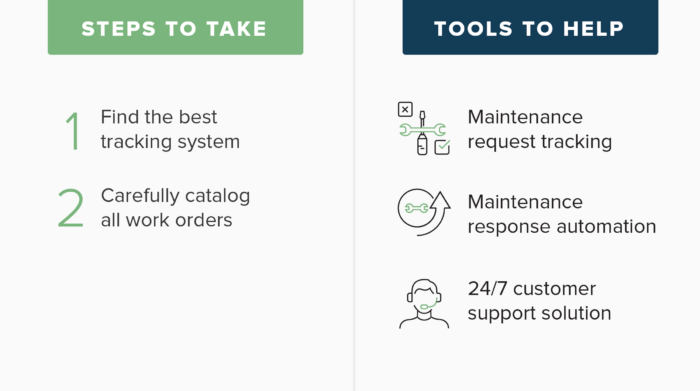
Steps to take:
- Find the best tracking system: Identify a system that allows your residents to submit work orders for all of your available maintenance services and lets you track vendor performance metrics.
- Carefully catalog all work orders: Stay on top of keeping your work order tracking system up to date, so that you have the information you need.
Tools to help:
- Maintenance request tracking: Utilizing software that allows you to manage maintenance requests easily will make tracking work orders and identifying recurring repairs much easier. You can even group related tasks and work orders into projects that you can easily manage and spin up templates for to speed up recurring jobs.
- Maintenance response automation: Buildium’s marketplace partner, Property Meld, can help you respond to maintenance requests automatically and even troubleshoot them before calling a vendor.
- 24/7 customer support solution: Buildium’s maintenance contact center provides access to call center agents who can field incoming maintenance requests and determine if they qualify as an emergency.
Collect Feedback on Vendor Work
While it’s important for property and community managers to be satisfied with a vendor’s work, it’s also important to gather feedback from any tenants, homeowners, or board members involved in the project. Taking this extra step can help you gain insight into aspects of the vendor’s work that you would not normally get to oversee—while demonstrating to stakeholders that you’re prioritizing their experience. This feedback can help guide decisions on which vendors should remain at the top of your list and which should be let go.
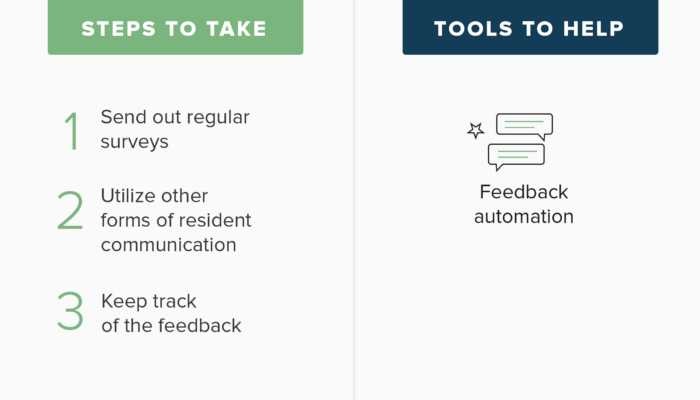
Steps to take:
- Send out regular surveys: Surveys are a great way to gather feedback from a large number or residents at once. Send them out regularly through your resident portal to receive up-to-date opinions on the vendors in your service pool.
- Utilize other forms of resident communication: Since not all residents will complete the surveys, consider using alternative forms of communication, such as email or phone calls, to gather resident feedback, as well.
- Keep track of the feedback: Don’t let the feedback you’ve gathered fall by the wayside. Do your best to keep detailed records for later use.
Tools to help:
- Feedback automation: Buildium’s marketplace partner, Opiniion, can help you automate the feedback-gathering process by automatically sending out surveys and prompting online reviews.
Cut Costs by Conducting Regular Property Management Vendor Audits
Now, it’s time to put all the data you’ve collected in the steps above to good use by conducting a vendor audit. Regular auditing helps you cut costs by helping you to eliminate inefficiencies and optimize your operations; one study on procurement found that providing managers with performance reports led to reductions in overspending on the order of 15%. While audits work best when done on a quarterly basis, you should be sure to at least perform one each year for every vendor in your network.
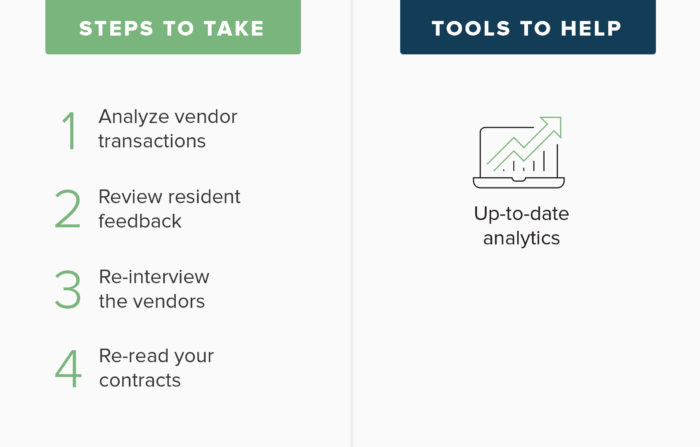
Steps to take:
- Analyze vendor transactions: Take a hard look at each work order completed by the vendor and look for patterns, such as incomplete fixes or recurring repairs.
- Review resident feedback: Consider the feedback you’ve received on the vendor and whether the majority of it is positive or negative.
- Re-interview the vendors: Ask the vendor about any potential problems you’ve uncovered during your analysis to get their perspective on those issues.
- Re-read your contracts: Take a look at exit clauses and pricing information so that you can get a sense of the best way to move forward.
Tools to help:
- Up-to-date analytics: Buildium’s analytics and insights make it easy to gather the reporting you need for conducting regular vendor audits.
There’s a lot that goes on in the property management world besides overseeing vendors, check out Buildium’s 2026 Property Management Industry Report to stay on top of the latest industry-specific insights and trends.
Put Your Audit Results into Action
Once you’ve done your audits, the final step in this process is to act on the results. You’ll need to make tough decisions about who gets to stay in your vendor network and be able to renegotiate contracts to make up for any mistakes or oversights.

Steps to take:
- Decide who to keep: Weigh the results of your audit and decide which contractors are worth maintaining relationships with going forward.
- Set expectations: Have another conversation with each vendor to discuss the results of the audit and whether you intend to continue using their services in the future. If any changes are needed on their part in order to continue working together, be sure to make your expectations very clear.
- Renegotiate: If necessary, negotiate contracts and pricing to reflect the vendor experience you’ve had so far. We’ll explore this in the next section.
- Find new vendors: Source new vendors to replace any previous ones that weren’t up to your standards.
Tools to help:
- E-signature software: Buildium’s partner, DropBox Sign, lets you handle lease and vendor contract negotiations electronically. Instead of redlining and signing contracts by hand, do it digitally in a fraction of the time.
How to Renegotiate Vendor Contracts
Contract renegotiation involves updating vendor agreements based on performance data and changing business needs. This process helps you secure better pricing, improved service levels, and clearer expectations.
Here’s how to handle these conversations professionally:
Steps to take:
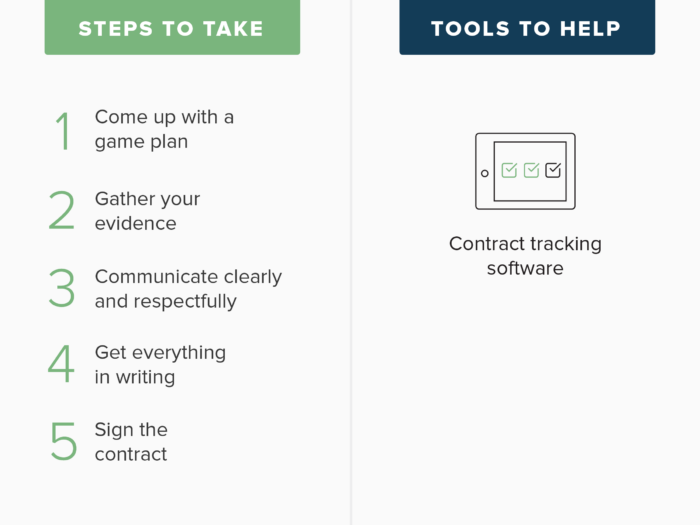
- Come up with a game plan: Before you enter into the conversation, decide what your ideal end result will look like. Whether you want additional assurances built into the contract, an expansion of service, or discounted services, make sure you have a plan for a resolve.
- Gather your evidence: Gather evidence of your vendor’s performance. The records stored in your maintenance and property management software is usually the best place to start.
- Communicate clearly and respectfully: You’re going to want to ensure that your vision for the new contract is clearly understood. Use your records to strengthen your side of the negotiations.
- Get everything in writing: Once you’ve reached a verbal agreement, ask the vendor to bring you an updated copy of the contract. Read over it carefully and don’t be afraid to make changes as needed.
- Sign the contract: After any necessary alterations have been made and agreed upon by both parties, sign on the dotted line.
Tools to help:
- Contract tracking software: Ironclad is an AI-infused contract management software tool that includes redlining tracking to simplify contract negotiations. It’s an effective way to save you time and guesswork if combined with the other software we’ve already discussed in this guide.
How to Replace and Screen New Vendors
If contract renegotiations don’t go as well as expected, you may need to replace some vendors in your vendor pool. After all, every property and community manager needs to have a network of reliable vendors that they can call on when needed.
Steps to take:
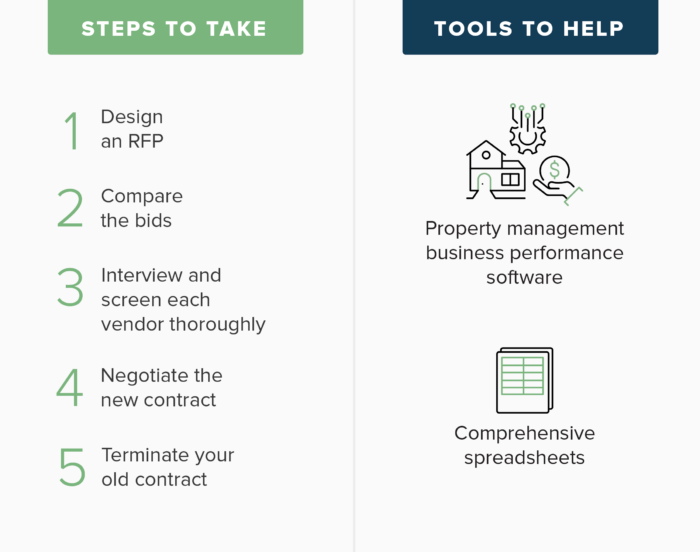
- Design an RFP: Your Request for Proposal (RFP) should include a price bid, the criteria on which each potential vendor will be evaluated, roles and responsibilities, and quality expectations.
- Compare the bids: Review the bids once you’ve received them. Keep searching until you’ve compiled a shortlist of qualified candidates.
- Interview and screen each vendor thoroughly: The vendor screening process is the most important stage of all. Make sure you feel confident that you’re deciding on a candidate that aligns well with your larger business goals.
- Negotiate the new contract: Go through the process of negotiating the contract with your new vendor.
- Terminate your old contract: Only terminate your contract with the old vendor once you’re sure that you have a reliable, new vendor in place.
Tools to help:
- Property management business performance software: Industry-specific performance and analytics tools can help you put hard data behind your business goals that you can then use to find vendors that align with your needs.
- Comprehensive spreadsheets: Maintaining a spreadsheet—like this vendor selection scorecard—can help you keep track of your impressions from each interview and the results from your screening process.
How to Fast-Track Effective Property Management Vendor Management
While doing all of the tasks above may take some effort and coordination, this process will be a lot easier if you have a clear and unified property management software system in place. Software systems such as Buildium allow you to create separate vendor profiles, track work orders, and generate the appropriate reporting with the touch of a few buttons.
Key Takeaways
- Create detailed vendor profiles and track work orders to maintain organized records and performance data.
- Conduct quarterly vendor audits to identify inefficiencies and reduce overspending by up to 15%.
- Renegotiate contracts using performance data to secure better pricing and improved service level agreements.
- Implement property management software to streamline vendor management and automate payment workflows efficiently.
Get started with a risk-free (no credit card needed) 14-day free trial of Buildium (or sign up for a guided demo) to put all the tools we mentioned in this article to the test and see how effective streamlined vendor management can be
Frequently Asked Questions About Property Management Vendors
How often should I audit my property management vendors?
It’s a good practice to review your key vendors quarterly and conduct a more in-depth audit for all vendors at least once a year. Regular reviews help you catch performance issues early and make sure you’re still getting a competitive price for their services.
What should I include in vendor contracts for maintenance work?
A solid vendor contract should clearly outline the scope of work, expected timelines for completion, payment terms, and proof of insurance. Being specific upfront helps prevent misunderstandings later and sets clear expectations for both you and the vendor.
How do I handle vendor insurance and licensing requirements?
Always ask for and verify a vendor’s license and certificate of insurance before hiring them. Keep a digital copy of these documents on file and set reminders to check for renewals. This protects your business, your clients, and your residents from liability.
What’s the difference between vendor management software and property management software?
Vendor management software focuses only on contractor relationships. Property management software like Buildium includes vendor management plus accounting, leasing, and resident communication in one platform, making it more practical for most property managers.
Read more on Associations