

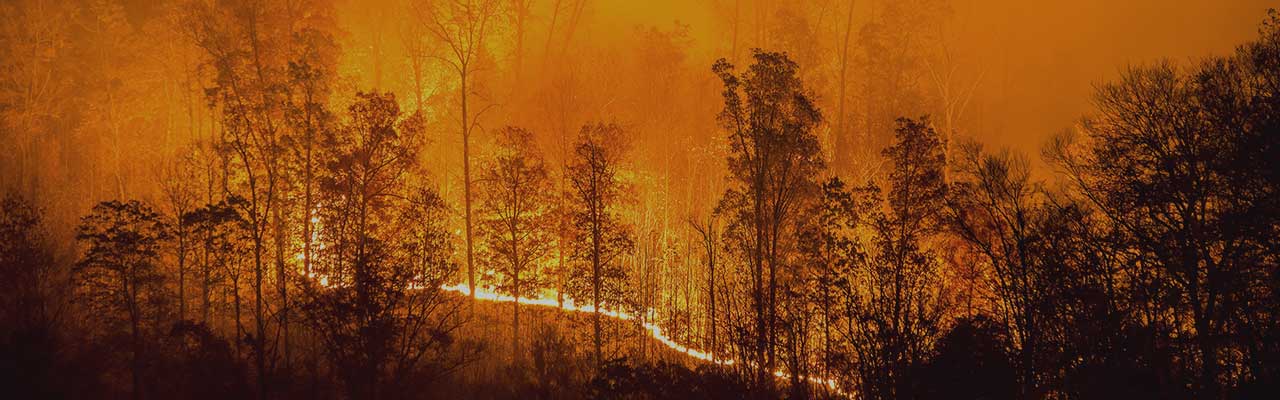
Wildfire season preparation has never been more urgent for property managers, especially since all 10 of the years with the largest acreage burned have occurred since 2004, according to the National Interagency Fire Center. Wildfires can happen almost anywhere and start from lightning strikes or human error. Taking the simple steps in this guide can help reduce the risk of pricey property damage and, more importantly, keep your residents safe.
As a preview, this post covers:
- Wildfire season timing: When and where fires are most likely
- Regional variations: How fire risk differs by location
- Preparation strategies: Practical steps to protect properties and residents
Be sure to also grab a checklist template at the top of this post to get a heads start on prepping your properties for the unexpected.
When Is Wildfire Season?
Wildfire season typically runs from May through November, with peak activity from July to September. However, climate change has extended the season, and fires now occur year-round in many regions; data shows that in recent years, the burned area has peaked in July rather than August.
Understanding Wildfire Season by Region
Fire season timing varies by region:
- Western states: Peak risk August-October
- Southeastern states: Spring fire season (March-May)
- Southwest: Two seasons – spring and late summer
Property managers with multi-regional portfolios should track each area’s specific risk periods.
Factors That Extend Fire Season
Key factors extending fire seasons include:
- Drought conditions: Dry vegetation becomes fuel for fires
- Rising temperatures: Create drier, more flammable conditions
- Low humidity: Accelerates fire spread
- Wind patterns: Can rapidly spread existing fires
Keep an Eye on Air Quality
During wildfires, air quality can be as dangerous as flames. Smoke and particles harm residents, especially elderly and those with heart/lung conditions.
Air quality monitoring steps:
- Check daily: Use AirNow for current air quality readings
- Unhealthy air days: Tell residents to keep windows closed
- HVAC settings: Run air conditioners with fresh air intake closed
If your units have central air, schedule HVAC maintenance and swap out old air filters.
Share Evacuation Routes and Nearby Shelters
Residents need to know where to go if they have to evacuate their homes. Make this information readily available by sharing your community’s evacuation plans and escape routes. You can share this email via email, text, or through your resident portal. Encourage your residents to download The Red Cross’ emergency app, as well, which allows them to look up the nearest shelters.
Establish a Chain of Command
The middle of a crisis is never the best time to determine who on your team is in charge. That’s why it’s important to organize roles and tasks ahead of time. FEMA provides an emergency planning worksheet to help you establish roles when disasters strike. Plot out which tasks will be managed by each person, such as determining who will alert residents, or who will prepare the property to minimize damage.
Safeguard Your Properties
Now is a good time to double-check fire safety essentials such as clearly marked emergency exits and smoke detectors with working batteries. This will prepare you for wildfires, and also help you pass your next fire inspection.
Take the following additional steps to reduce the risk of a wildfire damage:
- Clear out combustible material from around buildings. FEMA recommends creating a fire-resistant zone of at least 30 feet by moving gas tanks, raking leaves, clearing dead branches and brush, and cleaning out gutters.
- Avoid landscaping that increases the risk of fire damage, such as avoiding flammable plants near buildings, weeding regularly, and keeping grass short.
- Try to use fire-resistant materials when replacing or repairing your property. Class-A roof coverings provide the highest level of fire-protection available.
- Identify and make note of vents and other openings that lead into buildings. Embers can be blown in during a wildfire, so knowing where these openings are ahead of time means you’ll be ready to close them if a blaze is looming.
- Add screens to the area below decks, porches, and patios. A wire mesh screen can help keep out flammable debris like dry leaves.
Have Supplies Ready
Stock up ahead of time on items you’ll need during a wildfire such as fire extinguishers, N95 respirator masks, and first aid kits. Create a business “go bag” with everything you need for managing your property, such as contact info for residents and important documents. You can also store documents in a fireproof safe or use digital document storage that you can access anywhere.
Ensure That You’re Insured
Given that the U.S. has experienced 22 separate wildfire events that each caused over $1 billion in damage since 1980, your properties should already have comprehensive insurance coverage for wildfires. Check if your plan covers other disasters that sometimes occur during wildfires, such as flash floods or mudslides. Encourage your residents to get insurance that will cover them in the event of a wildfire, as well.
Wildfire Preparation for Residential Properties
If your renters need to leave, make sure that they know to close all windows and doors to reduce drafts in the building and remove radiant heat. And they should move flammable furniture to the middle of rooms away from windows and take down flammable curtains and window treatments well before the fire becomes a threat. This can help protect their own property and reduce the risk of damage to your building.
Rental properties with attached decks can be particularly vulnerable to wildfires. You can reduce the flammability of decks by clearing out anything combustible stored underneath the deck, cleaning out debris stuck between gaps in deck boards, and using materials that comply with building code requirements. If a deck is made of flammable material, such as non-fire-retardant treated wood, consider replacing boards closer to the building with less combustible ones.
Wildfire Preparation for Multi-Family Properties
Review your multifamily properties and remove any hazards that can increase the risk of fire damage, such as flammable items collected in common areas. Make sure that there are plenty of ABC-type fire extinguishers handy throughout the inside of the building. Outside, check that emergency vehicle lanes and fire hydrants are clearly visible.
If your multifamily properties include a fence attached to a building, consider replacing it with non-combustible fencing options. There are several styles of fencing that can help reduce the chance of spreading a wildfire’s blaze.
Wildfire Preparation for Community Associations
Talk with your community associations to lock down the budget and resources you’ll need to make properties more fire-resistant. Community associations can also help you communicate fire prevention tips to residents, such as:
- Prohibiting open burnings when it is windy, dry and hot outside
- Storing away porch furniture, plants, doormats, and other outdoor items to prevent them from igniting during a wildfire
- Keeping lawns hydrated and maintained to avoid dry grass fueling flames
The Best Time for Wildfire Preparation Is Now
It’s important to understand how wildfires can impact your property and what you can do to minimize damage, especially since the proportion of burned land suffering severe damage can range from 5 to 22 percent annually. For the well-being of your business, property, and tenants, take steps today to prepare and you’ll be in a much better position down the line.
Property management software such as Buildium can help you prep your properties for wildfire season. Maintenance ticketing and tracking, for example, can help your team stay on top of projects that will make your properties safer. Communication tools will allow you to keep your residents and owners up to date on wildfire situations. And document storage will make sure your important documents aren’t lost to fire.
To get started, sign up for a free 14-day trial, no credit card required, or schedule a demo.
Frequently Asked Questions About Wildfire Season Preparation
How far in advance should property managers start preparing for wildfire season?
Start preparations in early spring, at least 3-4 months before peak season. This allows time for vegetation clearing, equipment checks, and resident communication.
What’s the difference between fire season and daily fire weather conditions?
Fire season is the general high-risk period each year, while daily fire weather conditions are immediate alerts like Red Flag Warnings for extreme danger days.
Do fire restrictions affect property management operations during wildfire season?
Yes, fire restrictions can ban outdoor burning, grilling, and some landscaping work. Stay informed about local rules and communicate them to residents.
Read more on Maintenance